



psychedelic seo

Psychedelic SEO Companies: 6 Worth Evaluating in 2026

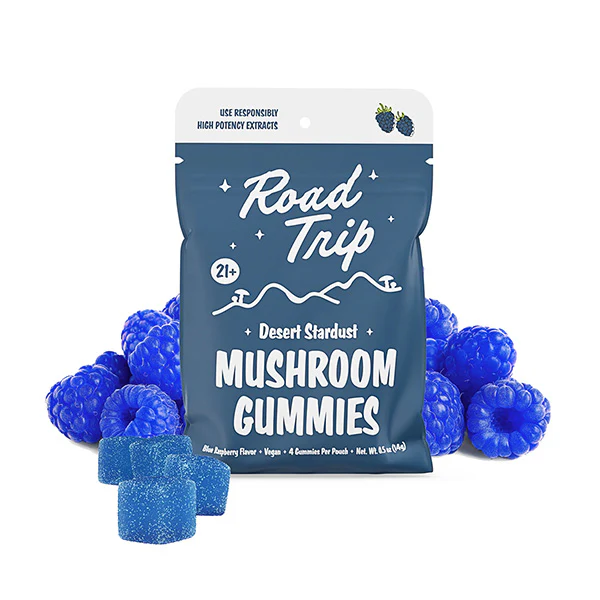
Road Trip Desert Stardust Mushroom Gummies Review (2026) An Honest Look Before You Buy

Road Trip Desert Stardust Mushroom Gummies Review (2026): An Honest Look Before You Buy

mushroom

What Studies Say About Psychedelics and Pain

mushrooms

Exploring New Approaches to Chronic Pain

psychedelic seo

Psychedelic SEO Companies: 6 Worth Evaluating in 2026

Road Trip Desert Stardust Mushroom Gummies Review (2026) An Honest Look Before You Buy

Road Trip Desert Stardust Mushroom Gummies Review (2026): An Honest Look Before You Buy

Psychedelic SEO Companies: 6 Worth Evaluating in 2026
Posted in

Psychedelic SEO Companies: 6 Worth Evaluating in 2026

Honest Assessment Box

Most psychedelic SEO company comparisons online are thinly disguised promotional content. The actual market is smaller and more fragmented than the public-facing positioning suggests, with maybe twelve to fifteen providers nationally that can credibly handle ketamine clinic, psilocybin retreat, or psychedelic-assisted therapy work.

The six providers below survived a skeptical evaluation against three criteria: documented psychedelic vertical experience beyond a service page, operational depth on the specific psychedelic sub-vertical they target, and willingness to name structural trade-offs in their own offering.

ALT Placements leads on link infrastructure for the vertical. The other five fit different clinic profiles. Match the provider’s shape to the operational gap rather than to a universal best-of verdict.

Most published comparisons of psychedelic SEO companies are written by the agencies themselves or by SEO publications dependent on agency advertising revenue. The result is a public discourse that overstates the depth of the agency market and understates the structural complications that make psychedelic SEO work harder than the marketing materials suggest. The actual market is thinner than the public-facing positioning indicates. Maybe twelve to fifteen providers nationally can credibly handle psychedelic clinic engagements, and the operational quality across those providers varies more widely than the published rankings acknowledge. Operators evaluating providers should expect to see substantial gaps between marketing claims and operational depth across the agency pool.

The skeptical evaluation underneath this comparison rests on three criteria. Does the provider have documented psychedelic vertical experience beyond a service page added to capture search demand? Can the provider articulate the compliance distinctions between FDA-approved ketamine work, Oregon’s regulated psilocybin services framework, Colorado’s natural medicine framework, and Schedule I psilocybin or classical psychedelic work without flinching at the regulatory complexity? Will the provider name a structural trade-off in their own offering without retreating into universal-fit positioning? Providers failing any of those three tests don’t appear in this evaluation regardless of marketing polish.

The six providers below pass the criteria with operational specificity. They split across distinct structural models: link infrastructure for the broader restricted-vertical universe, cannabis-exclusive full-service work extended into psychedelic verticals, ketamine-clinic-specific patient acquisition, international clinic marketing with compliance-first orientation, decade-plus mental healthcare marketing consultancy, and clinician-aligned ethical-first specialist work. Operators evaluating psychedelic SEO companies should match the provider’s structural shape to the operational gap in their existing marketing function rather than treating the comparison as a search for the universally best provider.

The ranking order reflects structural fit for psychedelic SEO specifically rather than agency size or longevity. Link authority infrastructure sits at the foundation because organic visibility for psychedelic clinics depends on link profile development that other workstreams compound against. The remaining five providers fit progressively narrower operational profiles as the list descends.

1. ALT Placements

ALT Placements operates a private placement network across legacy restricted-vertical properties producing daily editorial placements with organic traffic of their own. For psychedelic clinic operators specifically, ALT Placements psychedelic clinic link infrastructure addresses the structural constraint that most psychedelic SEO work runs into eventually: scalable, compliant link authority acquisition in a vertical where mainstream publishers refuse most editorial coverage and where the available link acquisition pool is structurally narrower than for cannabis or CBD operators.

The skeptical question worth asking about psychedelic link building is whether the model produces durable authority or just placement volume. Most outreach agencies operate against monthly placement quotas that arrive batched at cycle-end, producing link profile spikes against historical baseline that algorithm passes treat with suspicion. The placement network model distributes placements daily across multiple legacy properties, producing the velocity signature of naturally acquired backlinks rather than the batch-acquisition pattern that triggers algorithmic skepticism.

Compliance literacy carries heightened weight in psychedelic work because the regulatory exposure spans multiple frameworks simultaneously. The placement copy production workflow handles cannabis, CBD, hemp, psychedelic, ketamine, kratom, and adjacent restricted-vertical compliance daily, which means anchor surrounding context gets produced with operational awareness of healthcare advertising rules, FDA substantiation requirements, and platform-specific psychedelic content restrictions baked in rather than added as final review pass.

AI search alignment is structurally embedded into the editorial properties hosting placements. Host content is built for citation eligibility across AI Overviews, ChatGPT, Perplexity, and Gemini, which produces dual exposure across traditional search and AI-driven query environments. For psychedelic clinic operators whose prospective patients do extensive multi-platform research before booking consultations, the dual visibility surface compounds beyond what pure outreach acquisition delivers.

Fit profile: ketamine clinic groups, psilocybin retreat operators in Oregon and Colorado, psychedelic-assisted therapy organizations, ayahuasca centers, and multi-modality wellness operations with psychedelic components whose on-site SEO foundations are solid and whose link authority profile is the constraint limiting further organic growth.

The honest ceiling: link infrastructure is one foundational workstream in a complete psychedelic SEO program. The placement network pairs with on-site SEO, content production, and clinic-specific local SEO work rather than replacing them. Operators running with weak on-site foundations or unoptimized Google Business Profile signals will see less compounding effect than operators running on healthy baselines.

2. Client Verge

Client Verge operates as a cannabis-exclusive full-service digital marketing agency with explicit capability extending into psychedelic verticals alongside cannabis, CBD, hemp, cigar, and adjacent restricted categories. For psychedelic operators whose business spans more than one regulated category, or for clinic groups wanting a single agency relationship covering the full marketing function rather than coordinating multiple specialist vendors, a cannabis-exclusive growth marketing operation built specifically for regulated industries produces operational value that’s harder to assemble across separate vendors.

The proof points underneath the agency’s psychedelic capability include $4 million-plus in client results across the broader restricted-industry portfolio, a documented growth case taking monthly revenue from $25,000 to $85,000 in a defined window, traffic growth benchmarks reaching 150% on case-study engagements, and a 6-month growth guarantee on engagements that fit underwriting criteria. The cannabis-exclusive positioning means workflows, compliance review processes, and content production pipelines are already calibrated for restricted-vertical work, which transfers usefully to psychedelic clinic engagements.

The structural advantage for psychedelic clinics specifically is sequencing across coordinated workstreams. When SEO, content production, link acquisition, social where compliant, and paid where permitted all run inside one operational team, prioritization happens in real time rather than across vendor coordination calls. For ketamine clinic groups launching new locations, psilocybin retreat operators announcing new program offerings, or psychedelic-assisted therapy organizations responding to research announcements, the coordination saves operational time that pays back beyond the channel-level deliverables.

The honest trade-off is depth on any single dimension. A full-service agency covers everything reasonably well, but agencies whose only product is link infrastructure or clinic-specific patient acquisition go deeper on those specific workstreams. Operators whose investment thesis depends on the deepest possible single-workstream specialization may prefer specialist providers.

Fit profile: multi-vertical operators spanning psychedelic plus cannabis or CBD operations, ketamine clinic groups wanting a single agency covering SEO and broader marketing functions, psychedelic therapy organizations valuing integrated reporting over multiple specialist relationships, and clinic operators with limited internal marketing function wanting full-service vendor consolidation.

3. Ketamine Marketing Pros

Ketamine Marketing Pros operates as a ketamine clinic marketing agency with an explicit 2026 strategy framework covering AI-search optimization, voice search, LegitScript certification considerations, and local SEO across ketamine and psychedelic therapy verticals. The agency’s published methodology emphasizes that AI-powered search converts 4.4 times better than traditional organic search, which signals operational orientation around the citation environment that has absorbed a meaningful share of mental health pre-purchase queries.

The structural distinction is the explicit positioning around 2026 search environment dynamics rather than around traditional ranking factors. The agency’s published guidance addresses how Google’s AI Overview features, ChatGPT, and Perplexity AI reshape patient discovery for medical providers, with strategic recommendations for FAQ schema implementation, Medical Answer schema, and location-specific content optimization that AI systems can extract cleanly. The voice search optimization framework addresses the operational reality that voice queries through Alexa and Siri capture a growing share of ketamine clinic and psychedelic therapy discovery searches.

The agency’s documented attention to LegitScript certification reflects working engagement with the operational realities of healthcare advertising rather than generic SEO positioning. LegitScript is a third-party certification service required by some advertising platforms for pharmaceutical and healthcare advertising, and its application to ketamine clinics requires careful consideration. Agencies that name the certification question explicitly demonstrate operational awareness that surface-level positioning agencies underweight.

The trade-off is on the breadth of psychedelic vertical coverage compared to agencies specializing across multiple regulated industries. Ketamine Marketing Pros’ primary capability is ketamine clinic marketing with extension into broader psychedelic therapy work. Operators whose primary focus is psilocybin retreats, ayahuasca centers, or non-ketamine psychedelic-assisted therapy may find the ketamine-specialized orientation produces less direct value than broader psychedelic specialists.

Fit profile: ketamine clinic groups in competitive metros where AI-search citation eligibility matters operationally, multi-location ketamine therapy operations valuing local SEO methodology integrated with AI optimization, and clinic operators specifically prioritizing 2026 search environment dynamics over traditional ranking-focused work.

4. LeadGulls

LeadGulls operates as a Toronto-based digital marketing agency for psychedelic therapy clinics serving operators across the USA, Canada, UK, and Europe. The structural distinction is the international operational scope combined with compliance-first orientation across multiple regulatory jurisdictions. For psychedelic clinic operators with multi-country operations, or for clinics in jurisdictions where the regulatory environment differs materially from the U.S. framework, the geographic breadth produces operational value that U.S.-only agencies don’t deliver.

The agency’s service breadth covers Google Ads, Facebook and Instagram advertising, organic and local SEO, Google Business Profile management, reputation and review management, email and SMS nurture sequences, video and content strategy, social media management, and conversion rate optimization with healthcare compliance built in from the start. The full-service positioning across paid and organic workstreams fits ketamine clinic operators where the paid channel is operationally viable alongside SEO investment.

The published timeline guidance is realistic. Paid campaigns produce consultation requests within two to four weeks depending on market and budget. Local SEO compounds over 60 to 90 days. The agency reports on both timelines monthly, which signals operational discipline that surface-level agencies tend to underweight. The Toronto headquarters and compliance with North American, UK, and European advertising and privacy regulations addresses the operational reality that psychedelic clinic compliance varies materially across the agency’s service territory.

The structural distinction in approach is the stigma-aware messaging framework combined with platform compliance and patient psychology understanding. The agency’s published methodology emphasizes that prospective psychedelic therapy patients are cautious, reading quietly and comparing clinics rather than clicking ads impulsively, which means campaign messaging needs to build trust over time rather than pushing for immediate conversion.

The trade-off is on cannabis-vertical operational instinct compared to agencies rooted in the cannabis-adjacent compliance universe. LeadGulls operates from a healthcare and behavioral health marketing background rather than from a cannabis marketing background, which produces different operational instincts on regulatory texture. Multi-vertical operators spanning psychedelic plus cannabis may find cannabis-rooted agencies operate with different baseline assumptions.

Fit profile: psychedelic therapy clinics with multi-country operations across U.S., Canada, UK, and Europe, ketamine clinic operators valuing integrated paid plus organic execution under one agency, multi-modality clinics including TMS and adjacent treatments wanting healthcare-rooted marketing instinct, and operators prioritizing stigma-aware patient psychology over cannabis-vertical pattern recognition.

The four providers above operate on different structural models for psychedelic clinic marketing. The video below covers Roland Griffiths’ Johns Hopkins research on psilocybin’s therapeutic applications, which frames the clinical legitimacy environment underneath which psychedelic clinic SEO operates.

5. LRoss Marketing Consulting

LRoss Marketing Consulting operates as a digital marketing consultancy with documented 11-plus years of experience and a dedicated psychedelic therapy clinic practice. The agency’s published case studies include a healthcare practice that grew monthly new patients by 132% year-over-year using targeted Google Ads, an established somatic therapy practice that increased new patients by 153% through targeted SEO and Google Ads work, and Harmonia Ayahuasca Retreat boosting consultation signups by 61% in three weeks with refined growth strategy.

The structural distinction is the consultancy framing applied specifically to psychedelic therapy clinic work. Consultancy engagements scope differently from agency engagements. The deliverable structure emphasizes 1:1 monthly strategy sessions with the founder, ethical content and SEO production, and full-scope digital marketing packages without violating platform policies. For clinic operators wanting direct senior involvement rather than fractional account management, the consultancy model produces accountability that scaled agency engagements often don’t.

The published positioning emphasizes ethical-first compliance work rather than aggressive performance marketing. The agency operates with documented disclaimers that while it brings over a decade of experience in digital marketing for therapists and maintains a strong focus on ethical and regulatory compliance, it does not provide legal advice and recommends consulting qualified legal counsel for psychedelic clinic marketing compliance. That structural humility addresses operational realities that less-disciplined agencies obscure.

The trade-off is on engagement capacity relative to larger agencies. A consultancy-scoped practice has more constrained client capacity than scaled agency operations, which means engagement availability fluctuates with founder availability. For clinic operators wanting predictable agency-grade resourcing rather than consultancy-style senior involvement, the model fits less well. The fit depends on whether the operator values direct senior attention or broad agency-scale execution capacity.

The agency’s documented attention to psychotherapy and somatic therapy work alongside psychedelic therapy clinic practice produces operational pattern recognition across the broader mental healthcare marketing universe. The cross-modality experience transfers to psychedelic work because the patient acquisition dynamics for ketamine, psilocybin, and adjacent therapy modalities share more structural similarities than the substance-level differences suggest.

Fit profile: psychedelic therapy clinics valuing direct senior consultancy involvement over scaled agency execution, ayahuasca retreat operators and psilocybin retreat centers wanting documented retreat-specific case work, mental health clinics with psychedelic therapy practice lines wanting cross-modality marketing expertise, and clinic operators prioritizing ethical-first compliance orientation over aggressive performance positioning.

6. LxP Digital

LxP Digital operates as a specialized marketing agency for psychedelic therapy clinics with documented 5-plus years of client acquisition marketing experience across 120-plus businesses. The agency’s positioning emphasizes ethical, trust-first work designed for cautious prospective patients researching psychedelic therapy options rather than impulsive click-through traffic acquisition. For clinic operators wanting alignment with the cautious patient psychology that characterizes psychedelic therapy patient acquisition, the orientation produces structural fit beyond what surface-level agency positioning suggests.

The structural distinction is the founder-led model with named senior involvement. Laukik Patil, the agency’s founder, runs strategy and client work directly rather than through fractional account management. The published positioning emphasizes that psychedelic therapy patients are reading quietly, comparing clinics, and trying to understand legality, safety, and credibility before reaching out, which means marketing approaches that feel pushy or vague destroy trust instantly. The agency’s methodology builds around meeting patients where they are mentally and emotionally rather than around aggressive conversion optimization.

The published service breadth covers psychedelic SEO scoped for long-term authority development, compliant Google Ads work where applicable, social media marketing centered on education and professionalism rather than trend-chasing, and blog and service page content production calibrated for the questions prospective patients actually ask. The methodology emphasizes patient education content that supports decision-making rather than aggressive lead capture content optimized for form submissions.

The trade-off is on the operational scale relative to larger psychedelic SEO agencies. A single-founder agency model has more constrained engagement capacity than scaled operations, which means client availability depends on existing engagement load. For clinic operators wanting predictable agency-grade resourcing or for multi-location operators needing scaled execution capacity, the founder-led model fits less well than larger competitors.

The agency’s published timeline guidance is realistic. Most clinics begin seeing improved engagement and inquiries within three to six months depending on competition and consistency. That guidance reflects working knowledge of how psychedelic therapy patient acquisition actually compounds rather than promising shorter timelines that the structural realities of the vertical don’t support. Realistic timeline framing is a meaningful operational signal compared to agencies promising 30 to 60 day patient acquisition outcomes that the patient psychology rarely supports.

Fit profile: single-location psychedelic therapy clinics valuing direct founder involvement over scaled agency relationships, TMS and adjacent neurofeedback clinics with psychedelic therapy components, ADHD and broader mental health clinics with psychedelic-assisted therapy practice lines, and clinic operators prioritizing ethical patient education over aggressive conversion optimization.

What No Psychedelic SEO Company Can Actually Solve

The six providers above operate on different models, but they share limits no psychedelic SEO company can solve regardless of approach or budget. Operators expecting the right agency hire to eliminate these limits will be disappointed in ways the agency doesn’t deserve.

The first uncovered limit is the regulatory ceiling on therapeutic claims. The National Center for Complementary and Integrative Health’s guidance on psychedelic and dissociative drugs as medicines documents the current research base and FDA approval status across psychedelic substances. The framework constrains what claims content can legally make about treatment efficacy regardless of how aggressively a clinic wants to compete for keywords those claims would unlock. Agencies can’t manufacture clinical research backing that doesn’t exist for specific patient populations or treatment indications.

The second limit is the on-site clinical presentation dependency. No off-site SEO program will compensate for a psychedelic clinic website with poor information architecture, inadequate trust signaling, missing clinician credentials, unclear treatment protocol descriptions, or weak conversion paths. The off-site work has to land somewhere operationally. If the destination site doesn’t convince a prospective patient researching mental health treatment that the clinic is credible, the program produces rankings without booked consultations.

The third limit is the narrowed publisher access pool. Mainstream publishers refuse most psychedelic editorial coverage even in 2026, with constraints tighter than for cannabis or CBD because of Schedule I status for psilocybin, classical psychedelics, and adjacent substances. The available link acquisition pool is structurally narrower than for unrestricted healthcare verticals. SEO companies can build excellent on-site foundations and execute outreach against the available publisher universe, but the universe itself is the constraint.

The fourth limit is research base concentration. Peer-reviewed clinical research published through Johns Hopkins Center for Psychedelic and Consciousness Research, the Multidisciplinary Association for Psychedelic Studies, and adjacent institutions has grown substantially over the past five years. The volume remains small enough that the most authoritative citation sources for psychedelic therapy claims are concentrated in a narrow set of papers and institutions. Clinics competing for keywords where research-backed sources dominate the SERP won’t outrank them without comparable substantiation regardless of agency capability.

The fifth limit is platform volatility on healthcare advertising. Google’s healthcare advertising policies, Meta’s mental health advertising frameworks, and broader platform-specific psychedelic content restrictions continue evolving unpredictably. A program running cleanly under one configuration can face restrictions when the configuration shifts. …

Road Trip Desert Stardust Mushroom Gummies Review (2026): An Honest Look Before You Buy
Posted in

Road Trip Desert Stardust Mushroom Gummies Review (2026): An Honest Look Before You Buy

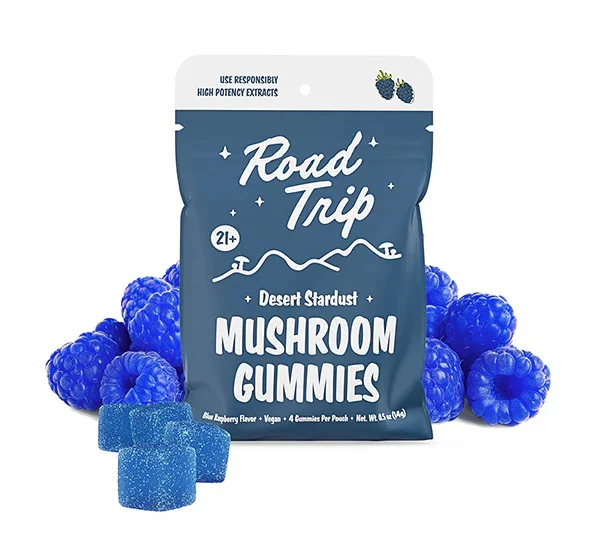
Quick answer: Road Trip Desert Stardust is a legal, psilocybin-free mushroom gummy built for a stronger, more vivid “trippy” experience, sold in small pouches with tiered dosing. Fans like the fast onset and easy dosing, but the honest catch is transparency: the brand leans on a proprietary blend and a trademarked ingredient rather than spelling out exact potency, and reports of variable intensity make overconsumption a real risk. If you want a clearer-labeled option, the in-stock alternatives at deVINE Boston are easier to dose with confidence. Adults 21 and up only.

I’ll give you the straight version, because that’s what a review is supposed to be. Road Trip’s Desert Stardust gummies have built a real following, and there’s a genuine reason for that. They’re easy to take, they come on fast, and plenty of people report exactly the kind of bright, giggly, creative headspace the branding promises. But a fair review doesn’t stop at the fun part. There are real questions about what’s actually inside these gummies, how consistent the dose is, and whether the legal picture is as settled as the marketing implies. So this piece covers both sides, then points you toward the most sensible way to buy if you decide to try the category.

One note before we start. “Mushroom gummies” is not one product, it’s a whole shelf of very different things wearing similar packaging. Sorting out which kind Desert Stardust actually is turns out to be the most important part of this review.

What Road Trip Desert Stardust actually is

Desert Stardust is marketed as Road Trip’s classic full-strength gummy, the one aimed at people chasing a stronger, more vivid experience rather than a gentle mood lift. The pouches are small and discreet, the gummies are pre-measured and flavored, and the brand uses a deliberately casual dosing ladder, with tiers cheekily labeled along the lines of low, moderate, high, and “buckle up.” A big part of the pitch is a nano-emulsified extract, which the brand says is absorbed more quickly and easily than a standard edible, with onset suggested around 30 to 45 minutes.

Here’s the part that matters most, and where the honesty in this review kicks in. Depending on which source you read, the active ingredient is described differently. Some retailers, including knowledgeable shops, describe Road Trip as an Amanita muscaria product, the mushroom whose compounds muscimol and ibotenic acid produce that dreamy effect. But Road Trip’s own materials lean on a proprietary, plant-inspired blend and a trademarked signature ingredient rather than clearly stating an Amanita gram count per gummy. The brand is clear about one thing, that the products contain no psilocybin, psilocin, or 4-AcO-DMT. What’s less clear is exactly what is doing the work, and in what amount. That ambiguity is the single biggest thing to weigh before buying.

The experience: what people actually report

Credit where it’s due. The user feedback for Desert Stardust skews positive, and the themes are consistent. People describe uncontrollable-laughter sessions, a happy and social mood, heightened enjoyment of music and movies, and at higher servings, mild visual or perceptual shifts. Several reviewers specifically frame it as an approachable entry into psychedelic-adjacent products precisely because each gummy is pre-dosed, so it feels less intimidating than measuring raw mushrooms. Two gummies is the serving most experienced users seem to settle on, with one being plenty for the cautious and three-plus reserved for people who really want the full ride.

For travel and social settings, the small pouch and discreet format are a genuine plus. This is clearly a product designed for festivals, hikes, and nights in with friends rather than clinical microdosing, though Road Trip and similar brands do sell lighter functional-mushroom versions for that purpose.

The honest caveats: where Desert Stardust falls short

This is the part most glowing reviews skip, and it’s the part that actually protects you.

Transparency is thin. When a product is sold for a noticeable psychoactive effect, you want to know precisely what compound is producing it and how much is in each piece. Desert Stardust’s reliance on a proprietary blend and a branded ingredient name makes that hard to pin down. A clinical review of this category flagged Road Trip-style products specifically, noting that products marketed for a “trip-like” effect that don’t clearly disclose standardized psychoactive ingredients raise concern, and that variable onset and intensity increase the risk of taking too much.

Consistency can be unpredictable. The flip side of “buckle up” branding and fast nano-absorption is that the gap between a fun dose and a too-much dose can be narrow, especially for a first-timer who doesn’t yet know their tolerance. Start with a fraction of the suggested serving and wait the full onset window before topping up.

The legal and safety backdrop is shifting. These products are sold as legal and psilocybin-free, but the regulatory ground is moving. In 2024, the FDA and CDC investigated a mushroom-edible outbreak tied to a different brand, Diamond Shruumz. By the close of the investigation, federal health authorities had recorded 180 illnesses across 34 states, with 73 hospitalizations and three potentially associated deaths, after testing found undisclosed substances in those products. Separately, the FDA has stated that Amanita muscaria compounds don’t meet the “Generally Recognized as Safe” standard for use in food. None of that is specific to Road Trip, but it’s the context every buyer in this category should carry, and it’s the reason transparency and lab testing matter so much.

Availability is spotty. Demand and the shifting legal picture mean Road Trip stock comes and goes at retailers. If your local shop is out, that’s common for this brand right now, and it’s worth knowing before you go hunting.

How Desert Stardust compares to a clearer-labeled option

Because the disclosure gap is the main knock against Desert Stardust, the most useful thing a review can do is show you what better labeling looks like. The Rize line, which deVINE Boston carries and which many shoppers reach for as the steadier everyday pick, tends to spell out gram counts per pack and per piece, which takes a lot of the guesswork out of dosing.

Factor Road Trip Desert Stardust Clearer-labeled alternative (Rize)
Dose transparency Proprietary blend, vague potency Gram counts typically stated
Onset style Fast, nano-emulsified Standard edible onset
Best for Experienced, wants intensity Predictability, first-timers
Format Small discreet pouch, ~4 gummies Scored chocolate bars and gummies

That’s not to say Road Trip is bad. If you’re experienced, comfortable with a little mystery, and chasing a bolder experience, it has earned its fans. But if you’re newer, or you simply want to know exactly what you’re taking, a clearly labeled product is the smarter buy, and it’s the recommendation I’d give a friend.

Where to buy mushroom gummies you can actually trust

Wherever you land on Road Trip itself, the bigger lesson from the FDA story is that the seller matters as much as the brand. Buying from an accountable shop that lab-tests its inventory beats grabbing a mystery pouch from a gas-station counter every time.

deVINE Boston is a good example of what that looks like. It’s a South Boston wellness shop, founded in 2019, that curates a lab-tested selection of legal, psilocybin-free mushroom products rather than stocking everything indiscriminately. You can read the lab documentation, ask staff to explain the difference between a proprietary blend and a clearly dosed one, and walk out knowing what you bought. Browse the full legal mushroom collection to compare gummies, chocolates, and tablets, including clearer-labeled options like the Rize chocolate line. They’re at 619 E Broadway, open 10am to 10pm daily, with free Greater Boston shipping over $65. Note that specific brands like Road Trip sell out periodically, so it’s worth checking current availability before a trip.

Here’s a quick walkthrough of the kind of legal mushroom products this category includes:

How to use Desert Stardust responsibly, if you do try it

  • Start low. One gummy, or even half, on your first try. You can always take more, but you can’t take less once it’s in.
  • Wait the full onset. Give it the full 30 to 45 minutes, longer if you’ve eaten, before deciding whether to redose. Most “I took too much” stories come from impatience.
  • Set and setting. A calm, familiar place with people you trust. Not before driving, work, or anything requiring alertness.
  • Skip the mixers. Don’t combine with alcohol or other psychoactives.
  • Know your health. If you take SSRIs or other serotonin-affecting medication, or have a history of anxiety, psychosis, or substance use issues, talk to a licensed medical practitioner first.
  • Store safely. Keep well away from children and pets, who can mistake these for candy.

Frequently asked questions

Do Road Trip Desert Stardust gummies contain psilocybin?

No. Road Trip states its products contain no psilocybin, psilocin, or 4-AcO-DMT. The active effect comes from a proprietary blend the brand describes with a trademarked ingredient name, and some retailers describe it as an Amanita muscaria product. The exact active compound and potency per gummy aren’t always clearly disclosed, which is the main caveat in this review.

How many Desert Stardust gummies should I take?

Start with one, or half of one if you’re new. Many experienced users settle on two, while three or more is reserved for people who want a strong, full experience. Because onset is fast and potency isn’t precisely labeled, wait the full onset window before taking more.

Are these gummies legal?

They’re sold as legal, psilocybin-free products, and Amanita-based mushroom products are legal in most states. That said, the regulatory picture is shifting, the FDA has flagged Amanita compounds as not meeting the food-safety standard, and at least one state bans Amanita outright. Check your local rules before buying.

What do they feel like?

Users most often report a happy, giggly, social mood, heightened enjoyment of music and media, and at higher doses some mild perceptual shifts. Effects vary a lot by person and dose, partly because the potency isn’t precisely labeled.

Why is transparency such a big deal with these gummies?

Because the effect is real and the dose isn’t always clearly stated, you can’t easily judge how strong a serving will be. A 2024 FDA and CDC investigation into a different brand found undisclosed substances behind 180 illnesses, which is why naming the active ingredient and showing batch lab results genuinely matters when choosing any mushroom edible.

Is there a better-labeled alternative?

If clear dosing matters to you, lines like Rize, which deVINE Boston carries, tend to spell out gram counts per pack and per piece. That clarity makes it easier to dial in the experience you want, especially as a first-timer, and it’s the more confident buy.


Disclaimer: This article is for informational and research purposes only and is not medical or legal advice. Products discussed are intended for adults 21 and older and are sold as psilocybin-free where noted. Legal status varies by state and locality; verify the rules where you live before purchasing. These statements have not been evaluated by the FDA, and these products are not intended to diagnose, treat, cure, or prevent any disease. Do not use if pregnant or nursing, and consult a licensed medical practitioner before use if you take medication or have a medical condition. Keep out of reach of children and pets.…

What Studies Say About Psychedelics and Pain
Posted in

What Studies Say About Psychedelics and Pain

Introduction

The relationship between psychedelics and chronic pain has become one of the most intriguing areas of modern medical research. While psychedelic compounds were once largely absent from mainstream scientific investigation, recent years have seen a remarkable resurgence of interest in their potential therapeutic applications.

Much of the attention has focused on mental health conditions such as depression, anxiety, and post-traumatic stress disorder. However, researchers are increasingly exploring whether psychedelic compounds may also play a role in addressing chronic pain.

For millions of people living with persistent pain, this growing body of research offers a fascinating glimpse into possible future treatment options. Although the science remains in its early stages, studies are beginning to reveal how psychedelics may influence pain perception, brain function, and overall well-being.

Why Researchers Are Investigating Psychedelics for Pain

Chronic pain is notoriously difficult to treat.

Traditional approaches often focus on reducing symptoms through medications, physical therapy, injections, or surgical interventions. While these treatments can be highly effective for some individuals, many patients continue to experience significant discomfort despite extensive treatment efforts.

Researchers have increasingly recognized that chronic pain involves complex interactions between the nervous system and the brain. Because psychedelic compounds appear capable of influencing these same systems, scientists have become interested in their potential therapeutic value.

Rather than simply blocking pain signals, psychedelics may affect how pain is processed, interpreted, and experienced.

Understanding the Brain-Pain Connection

Pain is not generated exclusively by injured tissues.

Modern neuroscience shows that the brain plays a central role in shaping the pain experience. Multiple brain regions work together to process sensory information, emotions, memories, attention, and expectations.

In chronic pain conditions, these networks may become dysregulated.

Researchers have found that psychedelic compounds can temporarily alter communication patterns within the brain. These changes may help explain why some individuals report shifts in pain perception during or after psychedelic experiences.

Although scientists are still investigating the exact mechanisms involved, brain connectivity remains one of the most important areas of ongoing research.

Psilocybin Research and Chronic Pain

Psilocybin has emerged as one of the most widely studied psychedelic compounds.

Researchers have primarily examined its effects on depression, anxiety, and emotional well-being. However, several studies have also explored its potential relevance to chronic pain conditions.

Particular attention has been given to headache disorders, including cluster headaches and migraines. Some participants in observational studies have reported reductions in headache frequency and intensity.

Scientists are also investigating whether psilocybin may help conditions involving central sensitization, a process in which the nervous system becomes overly responsive to pain signals.

Although results remain preliminary, these early findings have encouraged additional research efforts.

What Studies Suggest About LSD and Pain

LSD has a surprisingly long history within pain research.

Several decades ago, investigators explored its use in patients experiencing severe pain associated with serious illnesses. More recently, researchers have revisited these findings using modern scientific methods.

Some studies suggest LSD may influence serotonin systems involved in pain signaling and sensory processing.

Researchers have also observed that low doses may affect pain tolerance in certain experimental settings.

While these findings are intriguing, larger clinical trials are necessary before any firm conclusions can be drawn regarding chronic pain treatment.

Ketamine and Chronic Pain Treatment

Among psychedelic-related therapies, ketamine currently has some of the strongest scientific evidence supporting its use in pain management.

Ketamine has been studied extensively for neuropathic pain, complex regional pain syndrome, and treatment-resistant depression.

Unlike traditional pain medications, ketamine appears to influence glutamate signaling within the brain and nervous system. Researchers believe this may help reduce abnormal pain processing and promote neuroplasticity.

Some patients experience significant symptom improvement following ketamine treatment, though outcomes vary and benefits may not be permanent.

The success of ketamine research has helped fuel broader interest in psychedelic medicine as a potential tool for chronic pain management.

Neuroplasticity: A Possible Key Mechanism

One of the most exciting concepts emerging from psychedelic research is neuroplasticity.

Neuroplasticity refers to the brain’s ability to adapt, reorganize, and form new neural connections.

Scientists believe chronic pain may become embedded within certain neural pathways over time. If psychedelic compounds enhance neuroplasticity, they may potentially help disrupt these entrenched patterns and encourage healthier brain functioning.

Although this theory remains under investigation, it represents one of the most promising explanations for how psychedelics might influence chronic pain conditions.

The Emotional Side of Pain

Pain is not purely physical.

Researchers increasingly recognize the important role emotions play in chronic pain experiences. Anxiety, depression, stress, and trauma can all influence how pain is perceived and managed.

Several psychedelic-assisted therapy studies have reported improvements in emotional well-being, psychological flexibility, and overall life satisfaction.

Because emotional distress often amplifies pain symptoms, improvements in mental health may contribute indirectly to reductions in suffering.

This holistic perspective has become an important part of modern pain research.

Limitations of Current Research

Despite encouraging findings, it is important to maintain realistic expectations.

Many psychedelic studies involve relatively small participant groups. Long-term data remain limited, and researchers are still determining optimal treatment protocols.

Different pain conditions may respond differently to psychedelic therapies, and not every patient is likely to experience the same results.

Additionally, regulatory restrictions continue to affect research opportunities in many regions.

As a result, current evidence should be viewed as promising but still developing.

Safety Considerations

Psychedelic compounds can produce powerful psychological effects and are not appropriate for everyone.

Researchers carefully screen participants in clinical studies to reduce risks and ensure appropriate support during treatment.

Potential risks may include anxiety, confusion, emotional distress, and adverse psychological reactions in susceptible individuals.

Anyone interested in psychedelic therapies should seek information from qualified healthcare professionals and rely on legal, regulated treatment settings where available.

Conclusion

The growing body of research surrounding psychedelics and chronic pain represents one of the most fascinating developments in modern medicine. Studies involving psilocybin, LSD, ketamine, and other compounds are providing new insights into how the brain processes pain and how these pathways might be influenced therapeutically.

Although much remains unknown, researchers are uncovering evidence that psychedelics may affect pain through multiple mechanisms, including neuroplasticity, emotional processing, brain connectivity, and nervous system regulation.

The science is still evolving, and many questions remain unanswered. Nevertheless, the continued exploration of psychedelic therapies reflects a broader shift in how researchers understand chronic pain itself. Rather than viewing pain solely as a physical symptom, modern science increasingly recognizes it as a complex experience shaped by the brain, body, and mind.

As future studies expand our understanding, psychedelic research may help pave the way toward innovative treatment strategies for people living with chronic pain.…

Exploring New Approaches to Chronic Pain
Posted in

Exploring New Approaches to Chronic Pain

Introduction

Chronic pain affects millions of people around the world, yet it remains one of the most complex and challenging health conditions to treat. For many individuals, pain becomes much more than a physical sensation. It can influence mood, sleep, relationships, work performance, and overall quality of life. While traditional treatment options have helped countless patients, many people continue searching for solutions that provide lasting relief.

Over the past several years, researchers, healthcare professionals, and patients have shown growing interest in new and innovative approaches to chronic pain management. Advances in neuroscience, psychology, rehabilitation medicine, and integrative health have changed the way experts think about pain. Instead of viewing chronic pain solely as a symptom of injury or disease, many researchers now understand it as a complex interaction between the nervous system, brain, body, emotions, and environment.

This shift in perspective has opened the door to a wide range of emerging strategies that aim not only to reduce pain but also to improve overall well-being and function.

Understanding the Modern View of Chronic Pain

For many years, pain was primarily understood as a direct result of tissue damage. While injuries and medical conditions certainly play important roles, modern pain science has revealed that chronic pain often involves much more than ongoing physical damage.

The brain and nervous system constantly process information from the body and environment. In some chronic pain conditions, these systems become overly sensitive, causing pain signals to persist even after the original injury has healed. Researchers refer to this phenomenon as central sensitization.

This understanding has transformed how experts approach treatment. Instead of focusing solely on the area where pain is felt, clinicians increasingly consider how the entire nervous system contributes to the pain experience.

The Growing Importance of Pain Neuroscience

One of the most exciting developments in recent years has been the rise of pain neuroscience education.

Researchers have found that helping patients understand how pain works can sometimes reduce fear, anxiety, and stress associated with chronic pain conditions. Learning about the nervous system and the science of pain does not eliminate symptoms overnight, but it can help people develop a healthier relationship with their condition.

When individuals understand that chronic pain does not always indicate ongoing injury, they may feel more confident engaging in movement, rehabilitation, and daily activities that support recovery.

This educational approach has become an increasingly valuable component of comprehensive pain management programs.

Physical Therapy Continues to Evolve

Physical therapy remains one of the most widely recommended treatments for chronic pain, but modern rehabilitation strategies often look very different from traditional approaches.

Rather than focusing exclusively on strengthening injured areas, many therapists now emphasize gradual movement exposure, nervous system regulation, mobility improvement, and long-term functional goals.

Exercise programs are often tailored to individual needs and may incorporate walking, resistance training, stretching, balance work, and low-impact cardiovascular activity.

Research consistently suggests that regular movement can help reduce pain sensitivity, improve physical function, and enhance overall quality of life.

Mindfulness and Pain Management

Mindfulness-based approaches have gained significant attention within the chronic pain community.

Mindfulness involves paying attention to present-moment experiences without judgment. While it does not eliminate pain, research suggests it may help individuals change their relationship with painful sensations.

Many people living with chronic pain become trapped in cycles of worry, fear, frustration, and hypervigilance. Mindfulness practices may help reduce these responses and improve emotional resilience.

Techniques such as meditation, breathing exercises, body scans, and mindful movement are increasingly incorporated into pain management programs around the world.

The Connection Between Sleep and Pain

Sleep and chronic pain share a powerful relationship.

Poor sleep can increase pain sensitivity, while chronic pain can make restful sleep difficult to achieve. This creates a frustrating cycle that can worsen symptoms over time.

Researchers now recognize sleep improvement as an important treatment target for many chronic pain conditions.

Addressing sleep hygiene, maintaining consistent schedules, reducing nighttime stress, and seeking treatment for sleep disorders may contribute to better pain outcomes.

As a result, many comprehensive pain programs now include strategies specifically designed to improve sleep quality.

Nutrition and Chronic Pain

Another area receiving increased attention is the role of nutrition in chronic pain management.

While no single diet can cure chronic pain, researchers continue investigating how dietary patterns may influence inflammation, energy levels, metabolic health, and overall well-being.

Many healthcare professionals encourage balanced eating habits that emphasize fruits, vegetables, whole grains, healthy fats, and lean protein sources.

Maintaining a healthy nutritional foundation may support broader treatment efforts and contribute to improved quality of life.

Emerging Interest in Psychedelic-Assisted Therapies

Among the newest areas of investigation are psychedelic-assisted therapies.

Researchers are studying compounds such as psilocybin, ketamine, and MDMA for their potential effects on brain function, emotional processing, neuroplasticity, and pain perception.

Although this research remains in its early stages, preliminary findings have generated significant excitement within scientific and medical communities.

Scientists hope these therapies may eventually become part of broader pain management strategies, particularly for individuals who have not responded well to conventional treatments.

However, additional research is necessary before definitive conclusions can be reached.

The Importance of a Whole-Person Approach

One of the most important lessons emerging from modern pain science is that chronic pain rarely responds to a single solution.

Successful management often requires a combination of approaches that address physical, neurological, emotional, and lifestyle factors simultaneously.

Many experts now advocate for personalized treatment plans that may include medical care, rehabilitation, mental health support, exercise, education, sleep optimization, and wellness interventions.

This comprehensive perspective reflects the reality that chronic pain affects multiple aspects of a person’s life.

Conclusion

The future of chronic pain treatment is evolving rapidly. Advances in neuroscience, rehabilitation, psychology, wellness research, and emerging therapies are creating new opportunities for understanding and managing persistent pain.

While there is still much to learn, one encouraging trend is clear: researchers are increasingly viewing chronic pain through a broader and more sophisticated lens. Rather than focusing solely on symptoms, modern approaches aim to improve overall function, resilience, and quality of life.

For people living with chronic pain, these developments represent an important step forward. As research continues to advance, new approaches may offer additional tools for helping individuals reclaim control over their health and daily lives.…